Publications
A selection of my publications in surgical AI, computer vision, and health data science.
For the complete list, please see the links at the bottom of the page.
2026
- Tx International
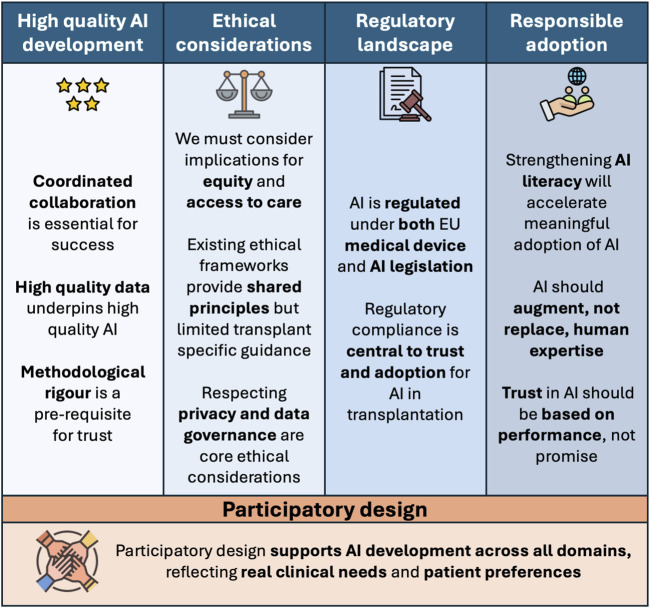 Shaping the Future of AI in Organ Transplantation: Position Paper of the European Society for Organ TransplantationG. Kourounis, S. Gilbert, S. R. Knight , and 10 more authorsTransplant International, 2026
Advances in AI hold considerable promise for organ transplantation. While every transformation brings change, not all change is transformative. Despite the rapid growth of AI in medicine, most applications remain in developmental or experimental stages, with relatively few having been successfully integrated into routine clinical practice. As a professional society, ESOT recognises that achieving meaningful impact will require more than technical progress. This position paper outlines five critical domains for successful implementation. (1) High-quality development: Coordinated collaboration and methodological rigour are prerequisites for trust; AI is only as robust as the data used to train it. (2) Ethical considerations: We must address risks to equity and access to care, and move from generic ethical principles to transplantation-specific ethical guidance. (3) Regulatory landscape: AI in transplantation is regulated under both EU medical device and AI legislation; compliance is central to stakeholder trust. (4) Responsible adoption: AI should augment, not replace, human expertise. Strengthening AI literacy is essential for meaningful adoption. (5) Participatory design: Active involvement of transplant professionals and patients is essential to address real clinical needs. These statements serve as a strategic framework to guide clinicians, researchers, and policymakers in making AI a genuine force multiplier for the transplant community.
@article{kourounis2026ESOT_AI, title = {Shaping the Future of AI in Organ Transplantation: Position Paper of the European Society for Organ Transplantation}, author = {Kourounis, G. and Gilbert, S. and Knight, S. R. and Leal, A. and Scully, J. L. and Loupy, A. and Martin, D. E. and Preka, E. and Primc, N. and Seoane Martinez, F. and Webb, H. and Oniscu, G. C. and Wilson, C.}, journal = {Transplant International}, volume = {39}, year = {2026}, publisher = {Frontiers Media SA}, doi = {10.3389/ti.2026.16316}, } - eClinMed - Lancet
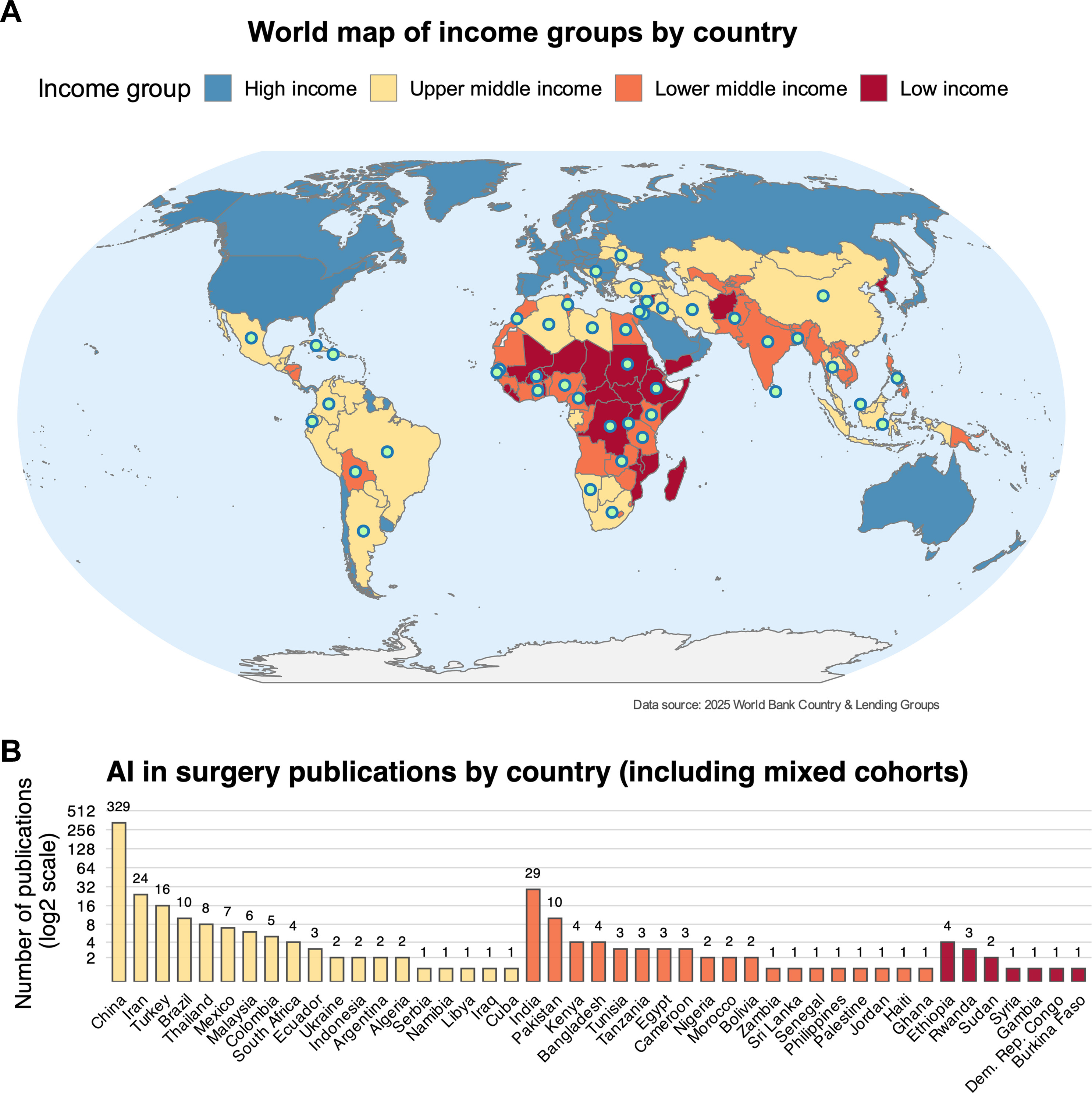 Artificial intelligence in surgical care within low-income and middle-income countries: a scoping review of development, validation, and deploymentA. D. Valli, S. J. Tingle, S. Kazerouni , 5 more authors, and G. KourouniseClinicalMedicine, 2026
Artificial intelligence (AI) has the potential to expand access to high-quality surgical care in low-income and middle-income countries (LMICs), yet the extent and maturity of AI research in these settings remain unclear. We conducted a prospectively registered scoping review (osf.io/9PV6A) to synthesize primary evidence on the use of AI in LMIC surgical care. PubMed, Scopus, and Web of Science were searched for studies evaluating AI in surgical contexts within LMICs up to July 14, 2025. From 2602 records, 475 studies met inclusion criteria. Most were conducted in upper-middle-income countries (n = 376, 79·1%), with the overwhelming majority from China (n = 305, 64·2%). Only 46 studies (9·7%) were conducted in lower-middle-income countries and 5 (1·1%) in low-income countries. Research was predominantly retrospective (68%), and only nine randomised controlled trials were identified (2%). Most studies focused on model development (67%), with few reporting external validation (30%) or clinical deployment (3%), mostly as pilot trial-based integrations. Barriers to AI implementation included fragmented data systems, limited infrastructure, and workforce constraints. Facilitators included widespread smartphone access and growing international collaborations. Despite rapid growth, AI research remains in the early stages of development. Focus on model accuracy alone is insufficient if health systems lack the capacity for adoption and integration.
@article{valli2026artificial, title = {Artificial intelligence in surgical care within low-income and middle-income countries: a scoping review of development, validation, and deployment}, author = {Valli, A. D. and Tingle, S. J. and Kazerouni, S. and Kalpana, T. S. R. and Karki, B. and Knight, S. R. and Wilson, C. and Kourounis, G.}, journal = {eClinicalMedicine}, volume = {94}, year = {2026}, publisher = {Elsevier}, doi = {10.1016/j.eclinm.2026.103836}, } - Clin Transplant
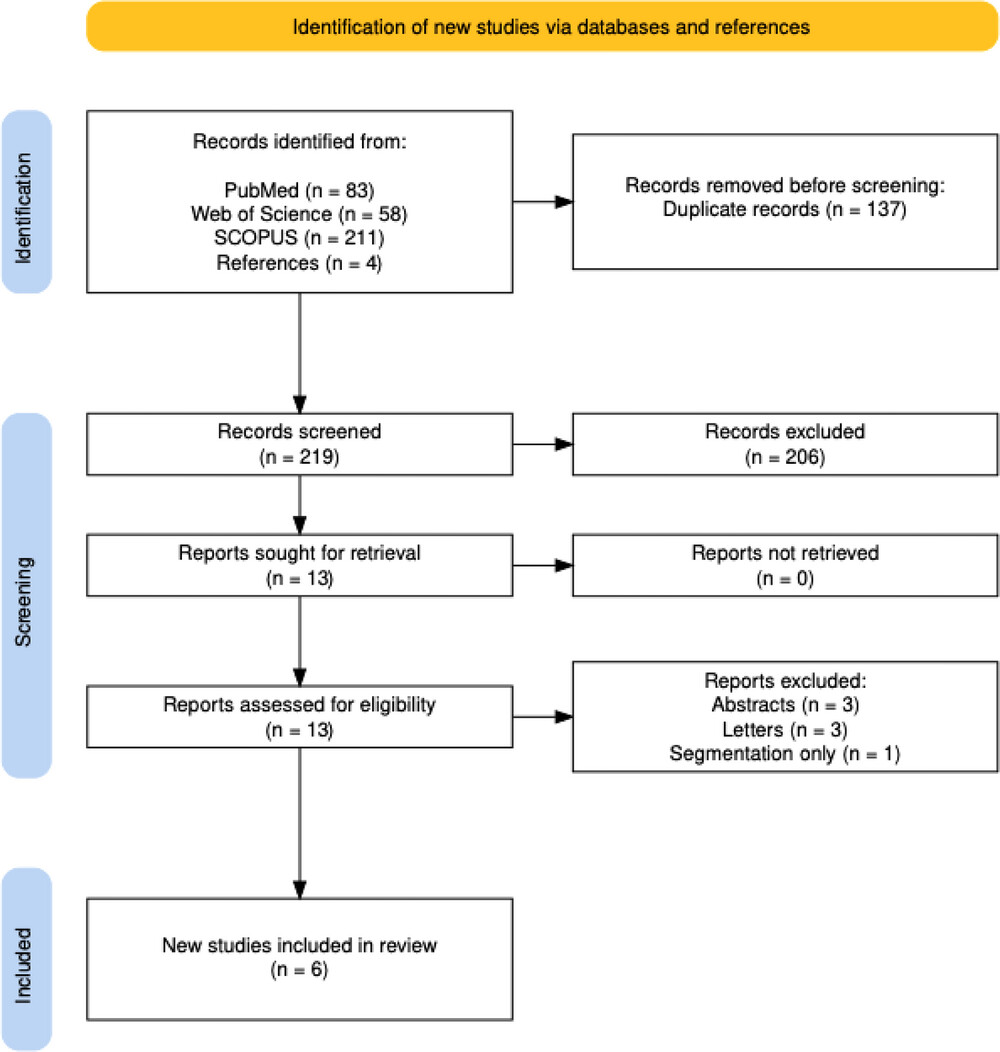 A Scoping Review of the Photographic Assessment of Donor Liver Steatosis in Transplantation Using Artificial IntelligenceG. Kourounis, S. J. Tingle, A. Elmahmudi , and 8 more authorsClinical Transplantation, 2026
Introduction: Accurate evaluation of liver steatosis and overall organ quality is critical for optimizing safe organ utilization in liver transplantation. Recent advances in computer vision offer promising tools to standardize and enhance this process. This review maps the current evidence on AI-enabled photographic evaluation of liver steatosis and identifies areas for future development. Methods: A scoping review of the literature, including searches of PubMed, SCOPUS, and Web of Science, was conducted to identify studies published from inception to 27/03/2025 reporting on the development of AI-enabled tools for assessing liver organ quality from photographs taken during the donation process. A qualitative synthesis and critical review of the literature was conducted in accordance with PRISMA-ScR guidelines. The review protocol was registered with the Open Science Framework (osf.io/zfcuk). Results: After screening 219 citations, six studies from three independent research groups met the inclusion criteria. Sample sizes ranged from 40 to 192 donors. Five studies employed binary classification models using a 30% steatosis threshold, while one study reported a graded approach. Reported accuracies ranged from 0.81 to 0.92. Common challenges included small and imbalanced datasets with a dependence on supplementary donor data, such as blood tests and radiological findings. None of the studies conducted external validation. Discussion: Current evidence is drawn from a small and methodologically heterogeneous literature. Publications from several independent groups nevertheless highlight growing interest in developing these tools. Future work should prioritize larger studies with robust external validation to strengthen their credibility and build trust in their clinical use.
@article{kourounis2026scoping,
  title = {A Scoping Review of the Photographic Assessment of Donor Liver Steatosis in Transplantation Using Artificial Intelligence},
  author = {Kourounis, G. and Tingle, S. J. and Elmahmudi, A. and Thomson, B. and Nandi, R. and Thompson, E. and Stephenson, B. and Hunter, J. and Ugail, H. and Sheerin, N. S. and Wilson, C.},
  journal = {Clinical Transplantation},
  volume = {40},
  number = {2},
  pages = {e70433},
  year = {2026},
  publisher = {Wiley},
  doi = {10.1111/ctr.70433},
}
2025
- PMJ
 Non-linear regression modelling for medical professionals; making curved paths straightforwardS. J. Tingle†, G. Kourounis†, S. Elliot , and 1 more authorPostgraduate medical journal, 2025
Regression models provide information on complex relationships between patient factors, investigations, diagnoses, treatments, and outcomes. These inferences underpin evidence-based medicine. However, by default regression models assume straight-line relationships, and the common approach of splitting continuous variables into groups has several disadvantages. We discuss pitfalls with these common approaches, and provide an interactive regression model playground, which acts as a point-and-click showcase of these concepts. More flexible regression modelling techniques are available, which allow non-linear relationships between predictors and outcome to be captured. However, they have been shown to be underused in medical research. We feel a major contributor to this is that more flexible non-linear models are typically explained for a statistical audience, creating a barrier for medical professionals. In this article, we introduce non-linear regression for medical researchers. Specifically, we focus on restricted cubic splines (RCS), which allow curved relationships to be fit, within the context of regression models. This has the benefit that the overall structure of the regression model and its outputs, which are familiar to medical researchers, stays the same, with the simple addition of non-linear modelling of specific variables. We implement RCS in a case study, with accompanying example R scripts (available on GitHub). We also launch an R package ("rmsMD") which aims to make this technique approachable to medical researchers, as well as creating publication-ready tables and plots. Overall, this article equips medical researchers with an intuitive understanding of non-linear modelling, which can then be applied with the easy-to-use tools provided.
@article{tingle&kourounis2025rmsMD, title = {Non-linear regression modelling for medical professionals; making curved paths straightforward}, author = {Tingle, S. J. and Kourounis, G. and Elliot, S. and Harrison, E. M.}, journal = {Postgraduate medical journal}, pages = {qgaf183}, year = {2025}, publisher = {Oxford University Press}, doi = {10.1093/postmj/qgaf183}, } - Tx International
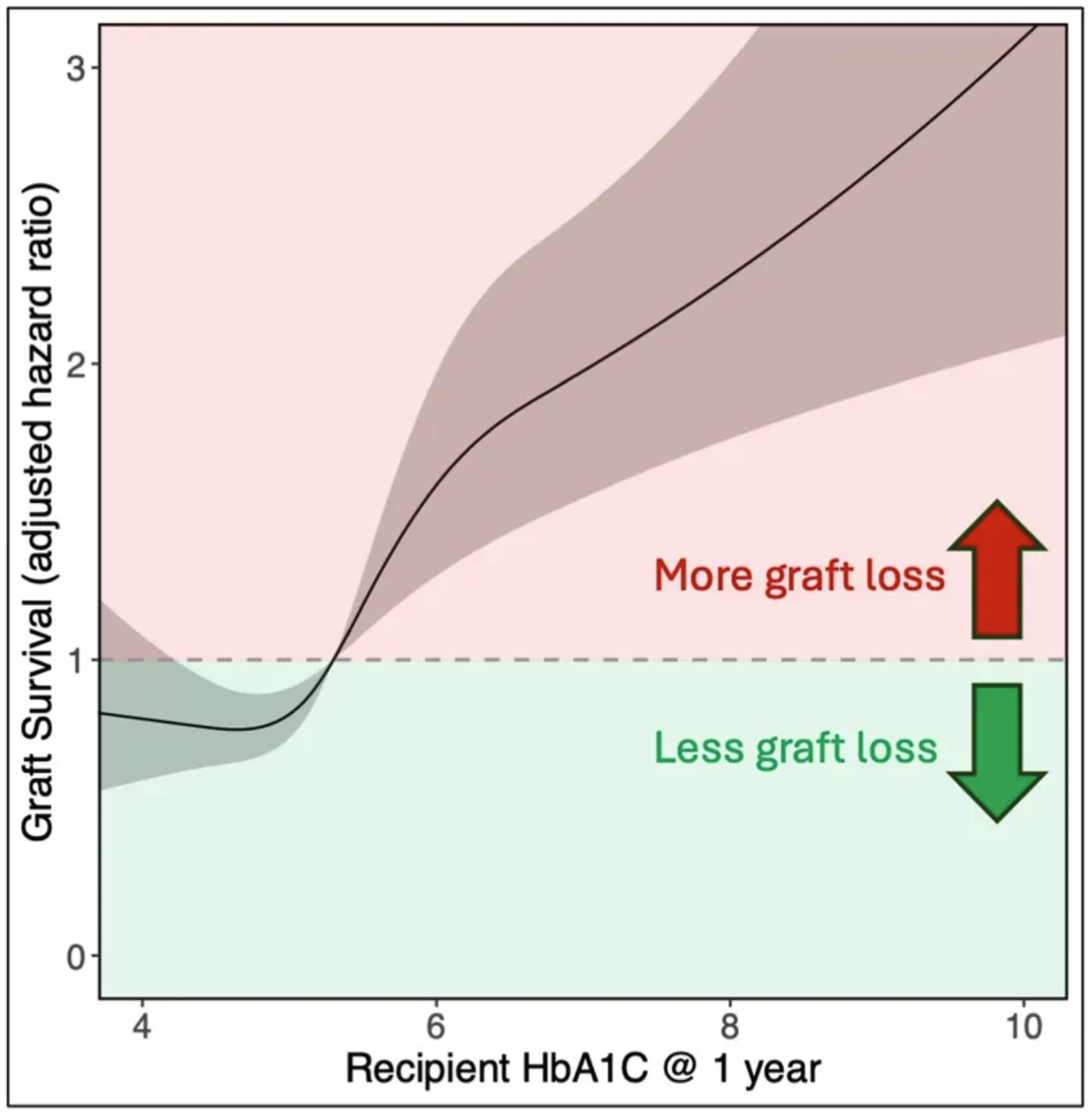 One-Year HbA1c Predicts Long-Term Pancreas Graft Survival Following SPK Transplantation: A US Population Cohort StudyG. Kourounis, S. J. Tingle, A. Maillo-Nieto , and 11 more authorsTransplant International, 2025
Understanding which factors shape long-term pancreas graft outcomes after the critical first year post-transplantation is an ongoing challenge. This study assesses one-year HbA1c as a predictor of subsequent pancreas graft survival. A retrospective cohort study was conducted using the UNOS registry on all simultaneous pancreas-kidney (SPK) transplants between 2017 and 2023. Regression models with multiple imputations for missing data were used to evaluate predictors of long-term function. Non-linear relationships were modelled with restricted cubic splines (RCS). Among 2,917 SPK recipients (median follow-up 44 months, IQR: 25–60), one-year HbA1c was the strongest independent predictor of long-term graft survival. An HbA1c of 6.8% versus 4.4% (95th vs. 5th percentile) was associated with significantly worse graft survival (aHR = 2.48, 95% CI: 1.72–3.58). Simulated trial sample size calculations found that detecting a statistically and clinically significant reduction in one-year HbA1c from 7% to 6.5% would require 65 patients per group, whereas detecting a reduction in one-year graft loss from 12% to 9% would require 1,631 patients per group. HbA1c at 1 year is a robust, continuous marker of long-term graft function and may serve as a feasible, objective surrogate endpoint in future clinical trials, enabling smaller, more efficient study designs to evaluate interventions.
@article{kourounis2025HbA1c, author = {Kourounis, G. and Tingle, S. J. and Maillo-Nieto, A. and Wroe, C. and Thompson, E. R. and Owen, R. and van Leeuwen, L. and Holzner, M. and Wadhera, V. and Zeeshan Akhtar, M. and Florman, S. and Shaw, J. and White, S. and Wilson, C.}, title = {One-Year HbA1c Predicts Long-Term Pancreas Graft Survival Following SPK Transplantation: A US Population Cohort Study}, journal = {Transplant International}, volume = {Volume 38 - 2025}, year = {2025}, url = {https://www.frontierspartnerships.org/journals/transplant-international/articles/10.3389/ti.2025.14940}, doi = {10.3389/ti.2025.14940}, issn = {1432-2277}, } - BMJ EBM
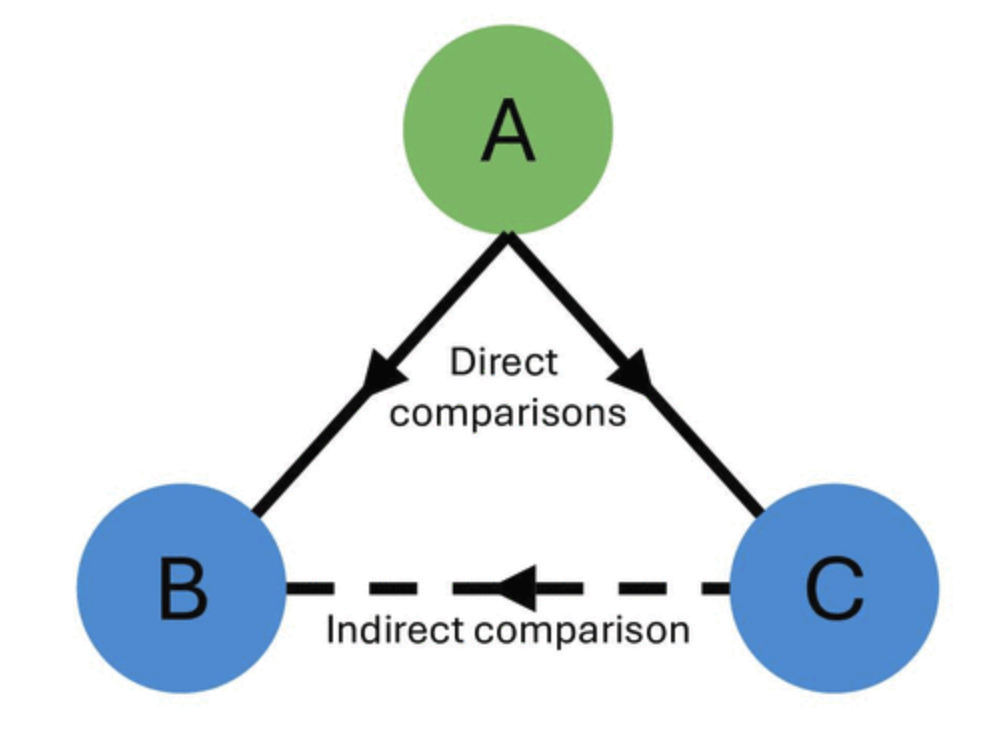 Simple tool implementing Bucher’s method for indirect treatment comparisons in meta-analysesS. J. Tingle, G. Kourounis, F. Liu , and 3 more authorsBMJ Evidence-Based Medicine, 2025
Healthcare practitioners and patients are often required to make choices between two treatment options which may have never been compared directly. When performing standard ‘pairwise’ meta-analysis, it is common to find trials comparing one of two experimental treatments against a common control (standard of care or placebo) but no head-to-head trials. Statistical methods are available to perform indirect comparisons between two treatments when direct evidence is lacking. Here, we provide a simple, easy-to-use, Excel spreadsheet capable of performing these calculations.
@article{tingle2025simple,
  title = {Simple tool implementing Bucher's method for indirect treatment comparisons in meta-analyses},
  author = {Tingle, S. J. and Kourounis, G. and Liu, F. and Wilson, C. H. and Richardson, R. and Sandercock, J.},
  journal = {BMJ Evidence-Based Medicine},
  volume = {30},
  number = {2},
  pages = {130--133},
  year = {2025},
  publisher = {Royal Society of Medicine},
  doi = {10.1136/bmjebm-2024-113103},
}
2024
- Cochrane
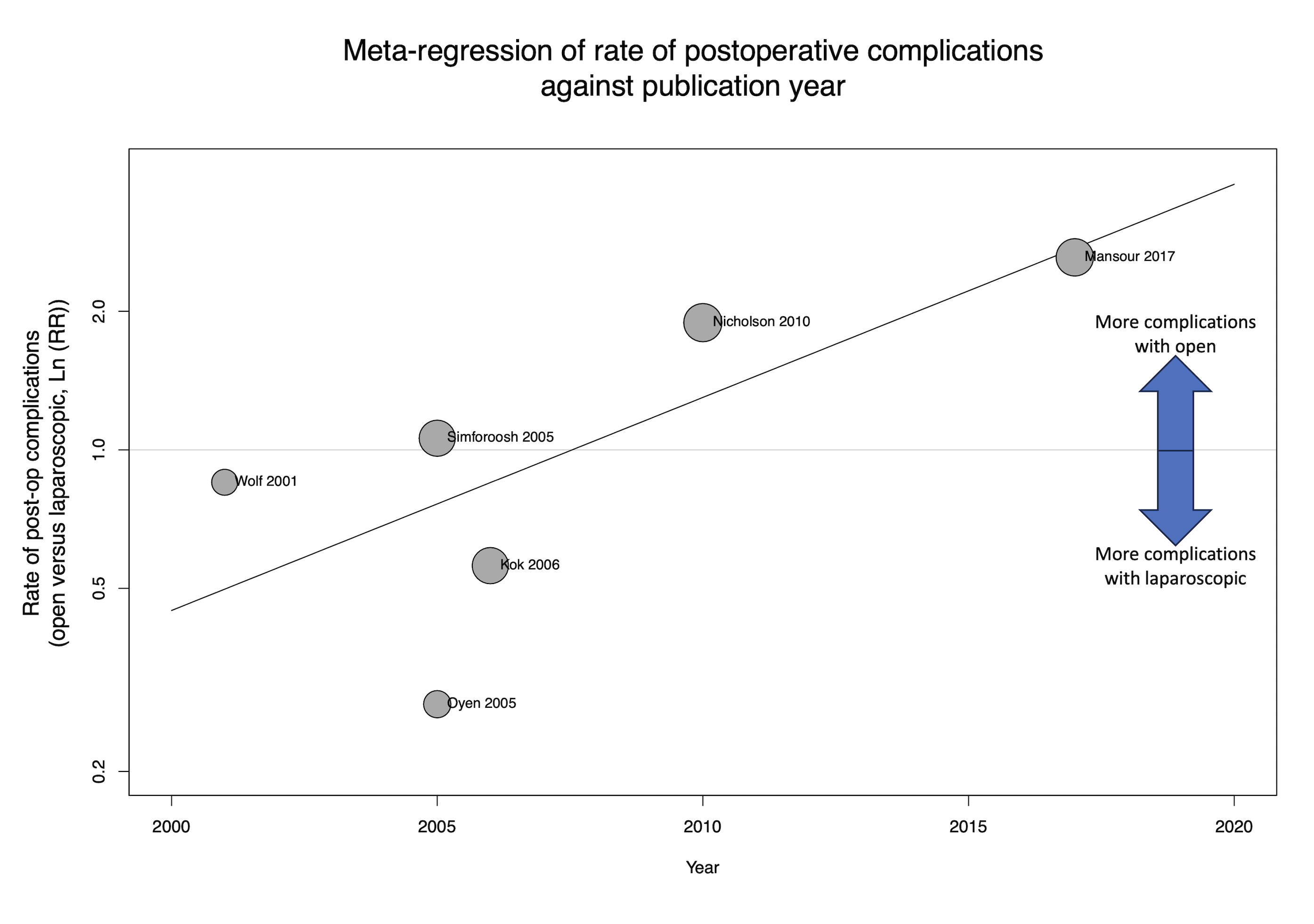 Robotic versus laparoscopic versus open nephrectomy for live kidney donorsG. Kourounis, S. J. Tingle, T. J. Hoather , and 7 more authorsCochrane Database of Systematic Reviews, 2024
Background: Waiting lists for kidney transplantation continue to grow. Live kidney donation significantly reduces waiting times and improves long‐term outcomes for recipients. Major disincentives to potential kidney donors are the pain and morbidity associated with surgery. This is an update of a review published in 2011. Objectives: To assess the benefits and harms of open donor nephrectomy (ODN), laparoscopic donor nephrectomy (LDN), hand‐assisted LDN (HALDN) and robotic donor nephrectomy (RDN) as appropriate surgical techniques for live kidney donors. Methods: We contacted the Information Specialist and searched the Cochrane Kidney and Transplant Register of Studies up to 31 March 2024 using search terms relevant to this review. Studies in the Register are identified through searches of CENTRAL, MEDLINE, and EMBASE, conference proceedings, the International Clinical Trials Registry Platform (ICTRP) Search Portal, and ClinicalTrials.gov. Results: Thirteen studies randomising 1280 live kidney donors to ODN, LDN, HALDN, or RDN were included. All studies were assessed as having a low or unclear risk of bias for selection bias. Five studies had a high risk of bias for blinding. Seven studies randomised 815 live kidney donors to LDN or ODN. LDN was associated with reduced analgesia use (high certainty evidence) and shorter hospital stay, a longer procedure and longer warm ischaemia time (moderate certainty evidence). Three studies randomised 270 live kidney donors to LDN or HALDN. There were no differences between HALDN and LDN for analgesia requirement, hospital stay (high certainty evidence), duration of procedure (moderate certainty evidence), blood loss, perioperative complications, or reoperations (low certainty evidence). One study randomised 50 live kidney donors to retroperitoneal ODN or HALDN and reported less pain and analgesia requirements with ODN. One study randomised 45 live kidney donors to LDN or RDN and reported a longer warm ischaemia time with RDN but no differences in analgesia requirement, duration of procedure, blood loss, perioperative complications, reoperations, or hospital stay. Conclusions: LDN is associated with less pain compared to ODN and has comparable pain to HALDN and RDN. HALDN is comparable to LDN in all outcomes except warm ischaemia time, which may be associated with a reduction. One study reported kidneys obtained during RDN had greater warm ischaemia times. Complications and occurrences of perioperative events needing further intervention were equivalent between all methods.
@article{kourounis2024robotic, title = {Robotic versus laparoscopic versus open nephrectomy for live kidney donors}, author = {Kourounis, G. and Tingle, S. J. and Hoather, T. J. and Thompson, E. R. and Rogers, A. and Page, T. and Sanni, A. and Rix, D. A. and Soomro, N. A. and Wilson, C.}, journal = {Cochrane Database of Systematic Reviews}, volume = {5}, number = {5}, pages = {CD006124}, year = {2024}, publisher = {John Wiley \& Sons, Ltd}, doi = {10.1002/14651858.CD006124.pub3}, pmid = {38721875}, pmcid = {PMC11079970}, } - Innov Surg Sci
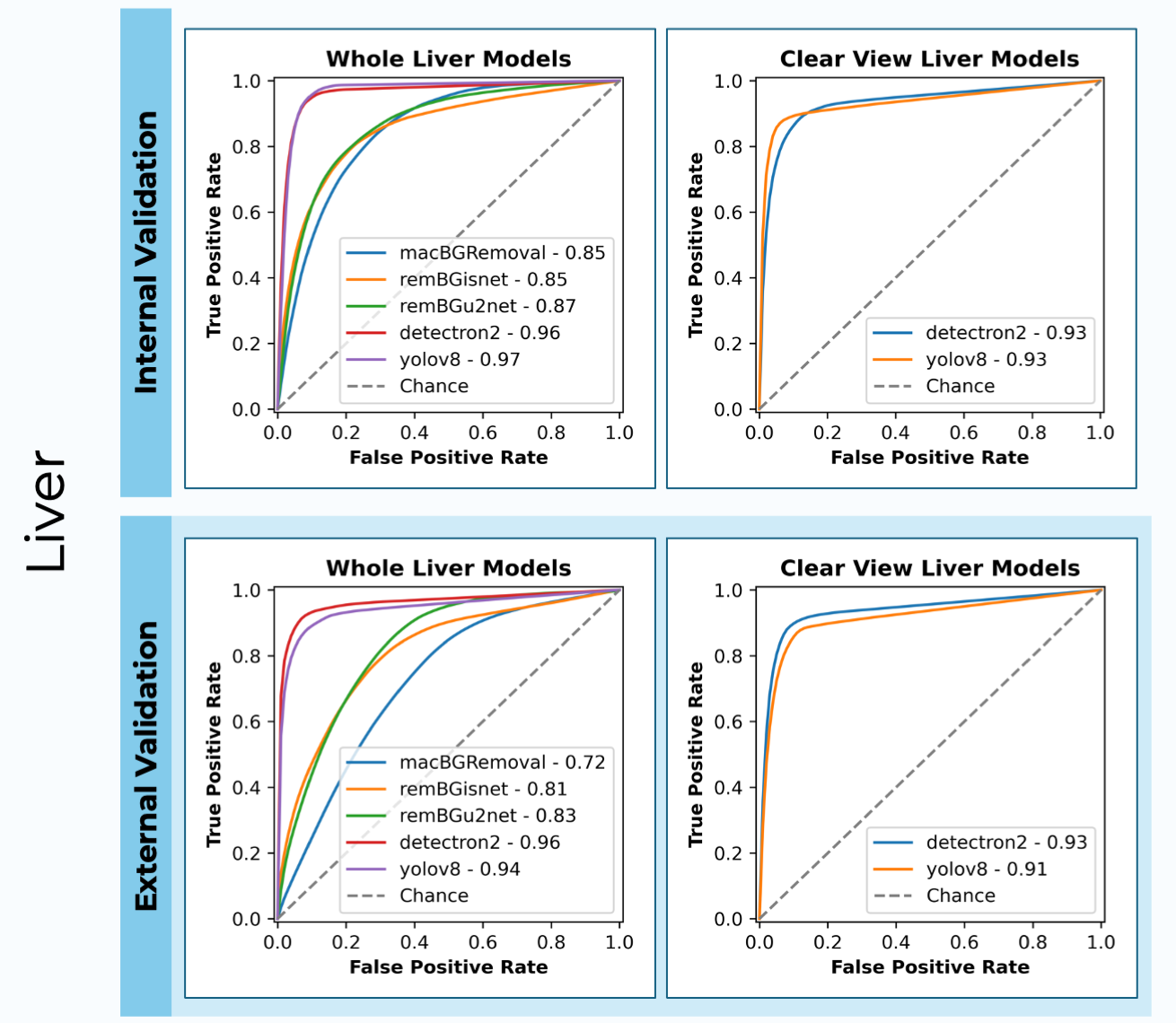 Deep learning for automated boundary detection and segmentation in organ donation photographyG. Kourounis, A. A. Elmahmudi, B. Thomson , and 12 more authorsInnovative Surgical Sciences, 2024
Objectives: Medical photography is ubiquitous and plays an increasingly important role in the fields of medicine and surgery. Any assessment of these photographs by computer vision algorithms requires first that the area of interest can accurately be delineated from the background. We aimed to develop deep learning segmentation models for kidney and liver organ donation photographs where accurate automated segmentation has not yet been described. Methods: Two novel deep learning models (Detectron2 and YoloV8) were developed using transfer learning and compared against existing tools for background removal (macBGRemoval, remBGisnet, remBGu2net). Anonymised photograph datasets comprised training/internal validation sets (821 kidney and 400 liver images) and external validation sets (203 kidney and 208 liver images). Each image had two segmentation labels: whole organ and clear view (parenchyma only). Intersection over Union (IoU) was the primary outcome, as the recommended metric for assessing segmentation performance. Results: In whole kidney segmentation, Detectron2 and YoloV8 outperformed other models with internal validation IoU of 0.93 and 0.94, and external validation IoU of 0.92 and 0.94, respectively. Other methods – macBGRemoval, remBGisnet and remBGu2net – scored lower, with highest internal validation IoU at 0.54 and external validation at 0.59. Similar results were observed in liver segmentation, where Detectron2 and YoloV8 both showed internal validation IoU of 0.97 and external validation of 0.92 and 0.91, respectively. The other models showed a maximum internal validation and external validation IoU of 0.89 and 0.59 respectively. All image segmentation tasks with Detectron2 and YoloV8 completed within 0.13–1.5 s per image. Conclusions: Accurate, rapid and automated image segmentation in the context of surgical photography is possible with open-source deep-learning software. These outperform existing methods and could impact the field of surgery, enabling similar advancements seen in other areas of medical computer vision.
@article{kourounis2024deep, title = {Deep learning for automated boundary detection and segmentation in organ donation photography}, author = {Kourounis, G. and Elmahmudi, A. A. and Thomson, B. and Nandi, R. and Tingle, S. J. and Glover, E. K. and Thompson, E. and Mahendran, B. and Connelly, C. and Gibson, B. and Bates, L. and Sheerin, N. S. and Hunter, J. and Ugail, H. and Wilson, C.}, journal = {Innovative Surgical Sciences}, volume = {10}, number = {3}, pages = {131--141}, year = {2024}, publisher = {De Gruyter}, doi = {10.1515/iss-2024-0022}, pmid = {40568340}, pmcid = {PMC7617812}, } - Ann R Coll Surg
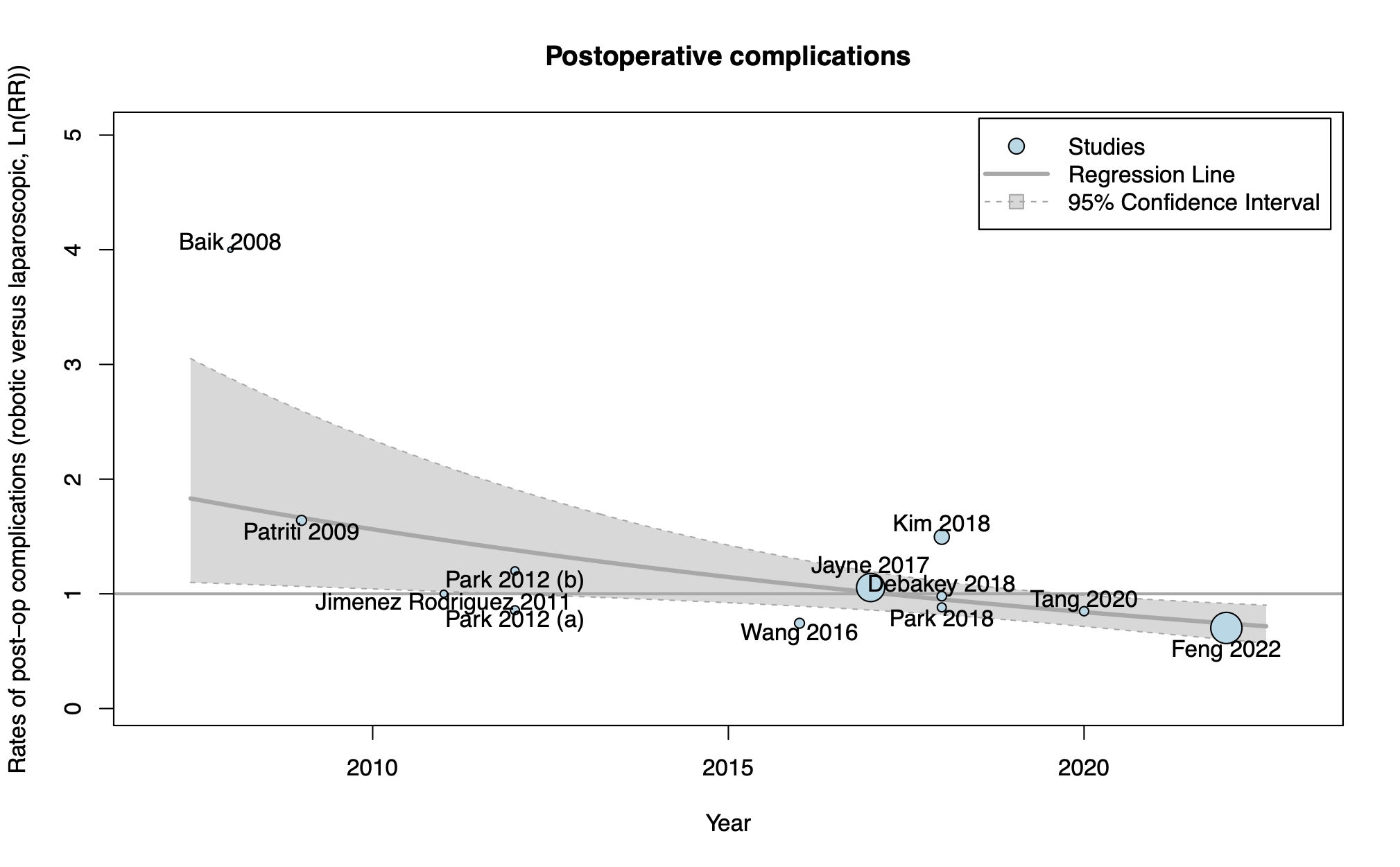 Robotic versus laparoscopic surgery for colorectal disease: a systematic review, meta-analysis and meta-regression of randomised controlled trialsA. Thrikandiyur, G. Kourounis, S. Tingle , and 1 more authorAnnals of the Royal College of Surgeons of England, 2024
Introduction: Robotic surgery (RS) is gaining prominence in colorectal procedures owing to advantages like three-dimensional vision and enhanced dexterity, particularly in rectal surgery. Although recent reviews report similar outcomes between laparoscopic surgery (LS) and RS, this study investigates the evolving trends in outcomes over time, paralleling the increasing experience in RS. Methods: A systematic review, meta-analysis and meta-regression were conducted of randomised controlled trials exploring postoperative outcomes in patients undergoing RS or LS for colorectal pathology. The primary outcome measure was postoperative complications. Risk of bias was evaluated using the Cochrane Collaboration’s assessment tool. Randomised controlled trials were identified from the PubMed®, Embase® and CINAHL® (Cumulative Index to Nursing and Allied Health Literature) databases via the Cochrane Central Register of Controlled Trials. Results: Of 491 articles screened, 13 fulfilled the inclusion criteria. Meta-analysis of postoperative complications revealed no significant difference between RS and LS (relative risk [RR]: 0.96, 95% confidence interval [CI]: 0.79 to 1.18, p=0.72). Meta-regression analysis of postoperative complications demonstrated a significant trend favouring RS over time (yearly change in Ln(RR): −0.0620, 95% CI: −0.1057 to −0.0183, p=0.005). Secondary outcome measures included operative time, length of stay, blood loss, conversion to open surgery, positive circumferential resection margins and lymph nodes retrieved. The only significant findings were shorter operative time favouring LS (mean difference: 41.48 minutes, 95% CI: 22.15 to 60.81 minutes, p<0.001) and fewer conversions favouring RS (RR: 0.57, 95% CI: 0.37 to 0.85, p=0.007). Conclusions: As experience in RS grows, evidence suggests an increasing safety profile for patients. Meta-regression revealed a significant temporal trend with complication rates favouring RS over LS. Heterogeneous reporting of complications hindered subgroup analysis of minor and major complications. LS remains quicker. Rising adoption of RS coupled with emerging evidence is expected to further elucidate its clinical efficacy.
@article{thrikandiyur2024robotic,
  title = {Robotic versus laparoscopic surgery for colorectal disease: a systematic review, meta-analysis and meta-regression of randomised controlled trials},
  author = {Thrikandiyur, A. and Kourounis, G. and Tingle, S. and Thambi, P.},
  journal = {Annals of the Royal College of Surgeons of England},
  volume = {106},
  number = {8},
  pages = {658--671},
  year = {2024},
  publisher = {Royal College of Surgeons of England},
  doi = {10.1308/rcsann.2024.0038},
  pmid = {38787311},
  pmcid = {PMC11528374},
}
2023
- PMJ
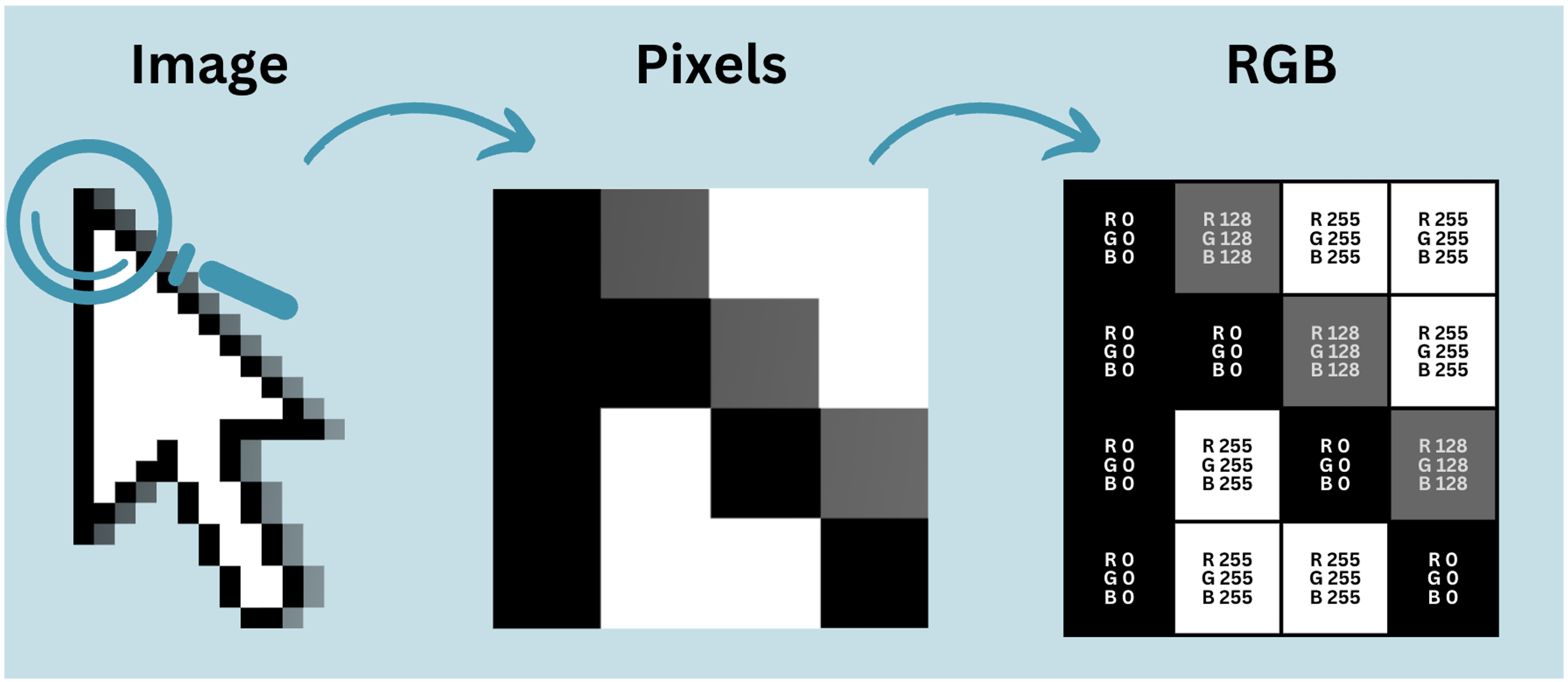 Computer image analysis with artificial intelligence: a practical introduction to convolutional neural networks for medical professionalsG. Kourounis, A. A. Elmahmudi, B. Thomson , and 3 more authorsPostgraduate medical journal, 2023
Artificial intelligence tools, particularly convolutional neural networks (CNNs), are transforming healthcare by enhancing predictive, diagnostic, and decision-making capabilities. This review provides an accessible and practical explanation of CNNs for clinicians and highlights their relevance in medical image analysis. CNNs have shown themselves to be exceptionally useful in computer vision, a field that enables machines to ‘see’ and interpret visual data. Understanding how these models work can help clinicians leverage their full potential, especially as artificial intelligence continues to evolve and integrate into healthcare. CNNs have already demonstrated their efficacy in diverse medical fields, including radiology, histopathology, and medical photography. In radiology, CNNs have been used to automate the assessment of conditions such as pneumonia, pulmonary embolism, and rectal cancer. In histopathology, CNNs have been used to assess and classify colorectal polyps, gastric epithelial tumours, as well as assist in the assessment of multiple malignancies. In medical photography, CNNs have been used to assess retinal diseases and skin conditions, and to detect gastric and colorectal polyps during endoscopic procedures. In surgical laparoscopy, they may provide intraoperative assistance to surgeons, helping interpret surgical anatomy and demonstrate safe dissection zones. The integration of CNNs into medical image analysis promises to enhance diagnostic accuracy, streamline workflow efficiency, and expand access to expert-level image analysis, contributing to the ultimate goal of delivering further improvements in patient and healthcare outcomes.
@article{kourounis2023computer,
  title = {Computer image analysis with artificial intelligence: a practical introduction to convolutional neural networks for medical professionals},
  author = {Kourounis, G. and Elmahmudi, A. A. and Thomson, B. and Hunter, J. and Ugail, H. and Wilson, C.},
  journal = {Postgraduate medical journal},
  volume = {99},
  number = {1178},
  pages = {1287--1294},
  year = {2023},
  publisher = {Oxford University Press},
  doi = {10.1093/postmj/qgad095},
}
2022
- HPB
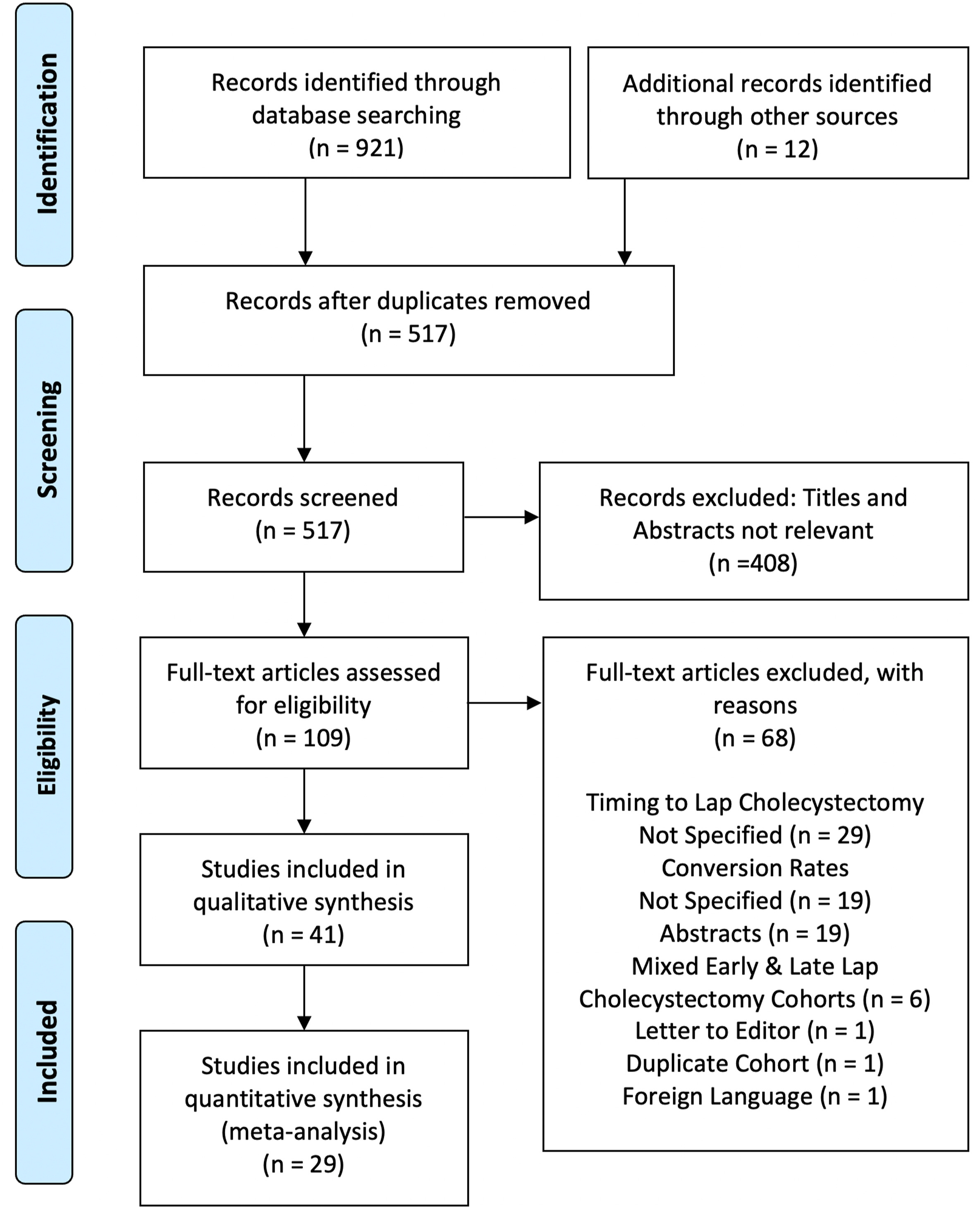 Systematic review and meta-analysis of early vs late interval laparoscopic cholecystectomy following percutaneous cholecystostomyG. Kourounis, Z. C. Rooke, M. McGuigan , and 1 more authorHPB, 2022
Background: High risk surgical patients with acute cholecystitis are commonly treated with percutaneous cholecystostomy (PTC) drainage. The optimal timing of subsequent interval laparoscopic cholecystectomy (LC) remains unclear. Methods: Medline, EMBASE, and Scopus were searched to identify studies published between 01/01/2000 and 31/12/2020, reporting on interval LC outcomes in patients initially treated by PTC. Early and late interval LC were defined as <30 and ≥ 30 days respectively. The Methodological Index for Nonrandomized Studies was used for quality assessment. Meta-analysis of proportions was conducted using a random-effects model. Results: A total of 512 studies were screened, 41 met the inclusion criteria. There were 22 studies in both early and late interval LC groups, with 3 included studies reporting both early and late groups. Following quality assessment, 29 studies were included in the meta-analysis. There were no significant differences between early and late interval LC in terms of conversion rates (7.2% vs 8.3%, p = 0.854), 90-day morbidity (12.8% vs 15.9%, p = 0.496), and 90-day mortality (0.25% vs 0.32%, p = 0.704). Heterogeneity was significant (I2>50%) in all groups. Conclusion: Current evidence of interval LC within or beyond 30 days demonstrates no significant impact on outcomes. Patient factors, clinical experience, and hospital facilities may prove more important predictors.
@article{kourounis2022systematic,
  title = {Systematic review and meta-analysis of early vs late interval laparoscopic cholecystectomy following percutaneous cholecystostomy},
  author = {Kourounis, G. and Rooke, Z. C. and McGuigan, M. and Georgiades, F.},
  journal = {HPB},
  volume = {24},
  number = {9},
  pages = {1405--1415},
  year = {2022},
  publisher = {Elsevier},
  doi = {10.1016/j.hpb.2022.03.016},
}